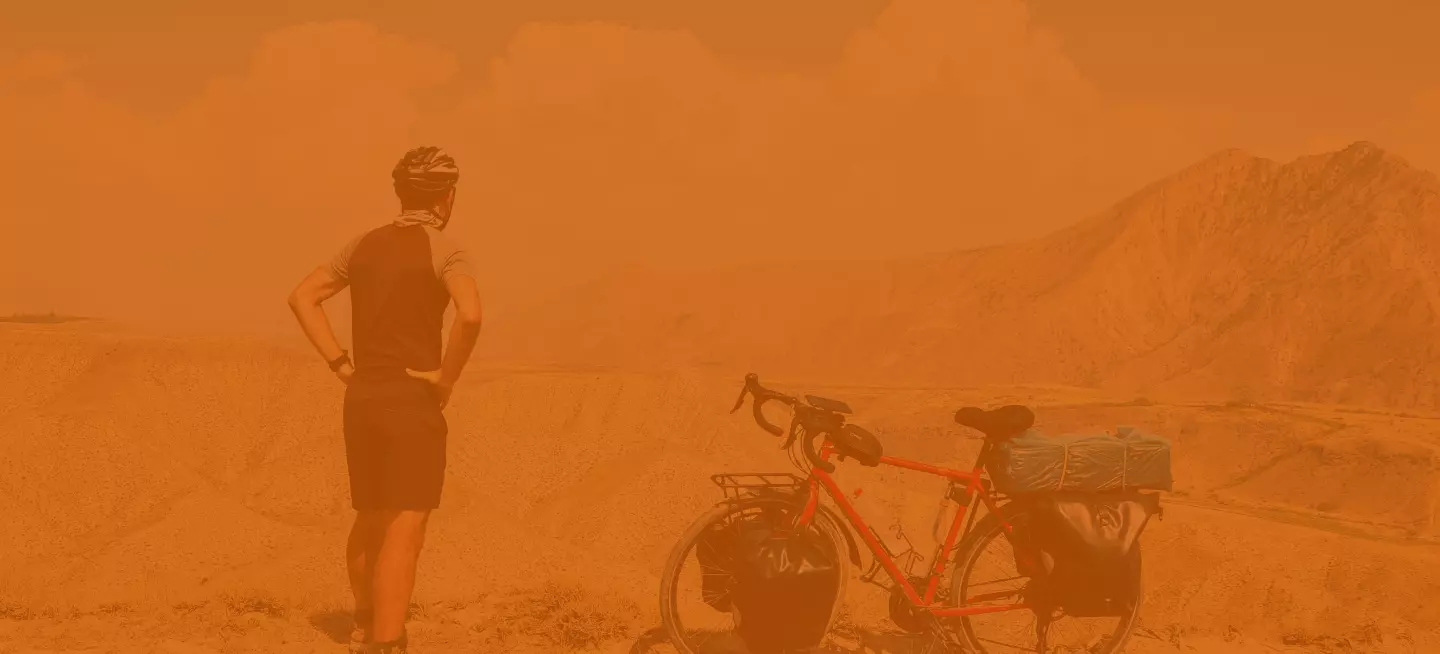
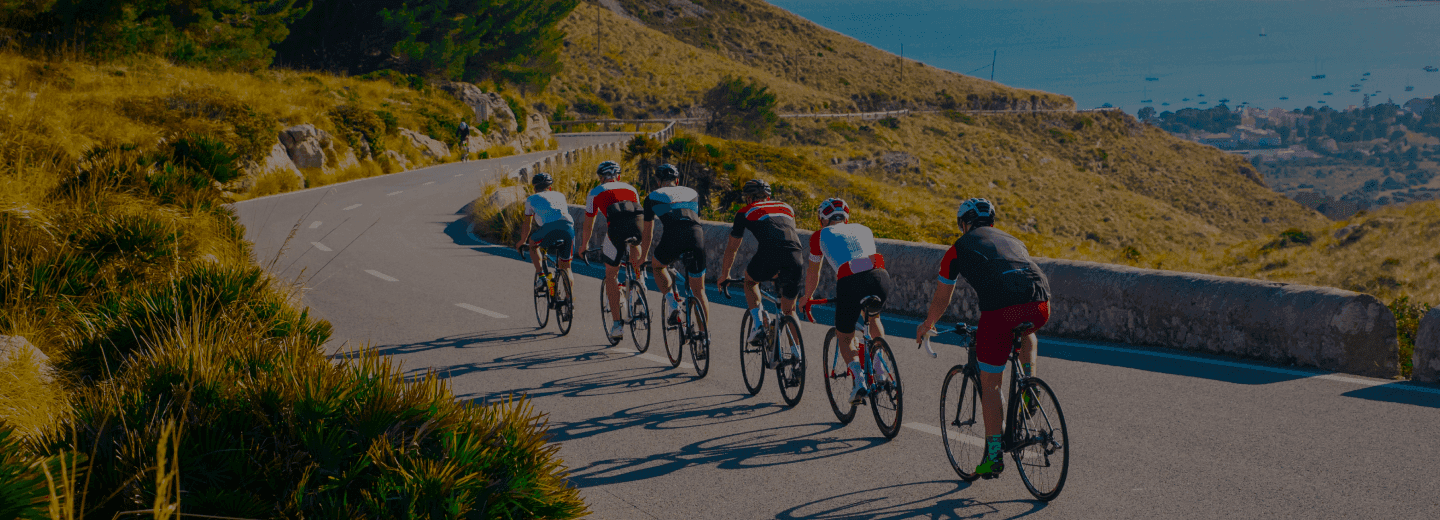
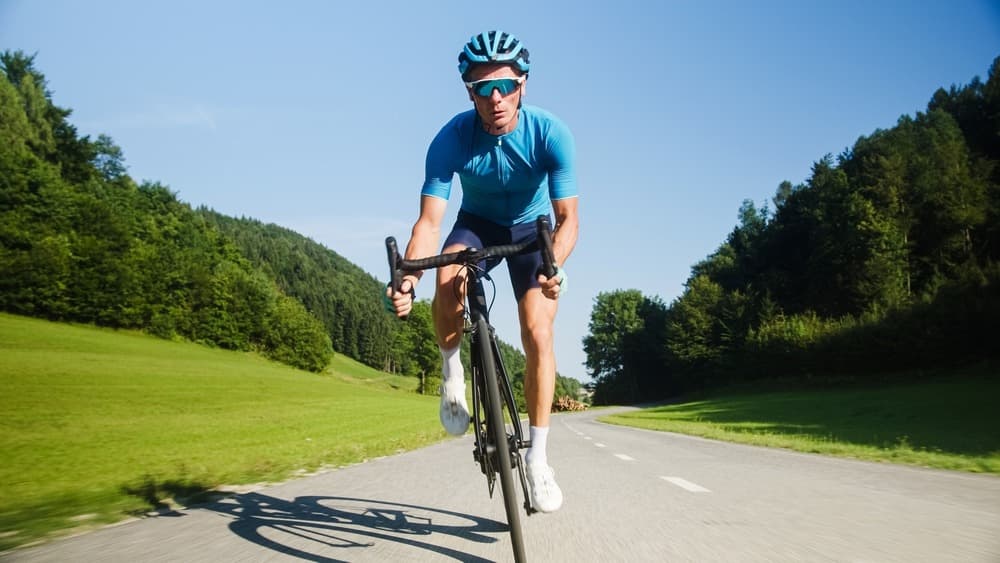
A bike tour through the Baltic countries of Estonia, Latvia, and Lithuania is a journey through serene forests, charming medieval towns, and along stunning coastlines. As you prepare for this unique adventure, one of the most important steps is packing the right gear. A well-thought-out packing list ensures you are comfortable, safe, and ready for whatever the road brings.
This guide provides a comprehensive packing list for a bike tour in the Baltics. We’ll cover everything from cycling apparel and essential tools to personal items and electronics. By packing smart, you can focus on the beautiful scenery and rich culture of this incredible region, not on what you forgot to bring.
Why Proper Packing is Crucial for Your Baltic Bike Adventure
Packing for a multi-day cycling trip isn’t like packing for a typical vacation. Every item you bring needs to have a purpose. Overpacking can weigh you down, while underpacking can leave you unprepared for changing weather or unexpected situations on the road.
Comfort and Safety on Long Cycling Days
Your comfort is directly linked to your enjoyment of the tour. The right cycling gear prevents chafing, keeps you dry, and protects you from the sun and wind. Safety is just as important. A helmet, proper lights, and a basic first-aid kit are non-negotiable items that protect you and give you peace of mind while you ride.
Avoiding Common Packing Mistakes
A common mistake is bringing too much clothing. Remember, on a guided tour, your main luggage is transported for you, but you still want to be efficient. Another error is not preparing for variable weather. The Baltics can offer sunshine, rain, and cool winds all in the same day. The key is to pack smart, not heavy.
Choosing the Right Bike and Cycling Gear for the Baltics
Your bike is your most important piece of equipment. The terrain in the Baltic countries is mostly flat with some gentle rolling hills, making it suitable for several types of bikes.
Recommended Bikes for Estonia, Latvia, and Lithuania
A touring or hybrid bike is an excellent choice for a Baltic bike tour. These bikes offer a comfortable, upright riding position and can handle both paved roads and the occasional gravel path. Road bikes are also suitable, especially if you prefer a faster pace. If you’re renting a bike from us, we provide quality, fully-serviced Fuji bikes perfect for the route.
Helmets, Gloves, and Protective Equipment
A helmet is the most critical piece of safety gear—never ride without one. Padded cycling gloves are also highly recommended. They absorb vibrations from the handlebars, reduce pressure on your hands, and protect them in case of a fall.
Clothing: Layering for Variable Baltic Weather
The secret to comfort in the Baltics is layering. The weather can change quickly, so being able to add or remove layers is essential. Here’s what to bring:
- Padded Cycling Shorts (2-3 pairs): This is the most important clothing item for comfort on long rides.
- Moisture-Wicking Jerseys (2-3): Synthetic or merino wool jerseys pull sweat away from your skin, keeping you dry.
- Base Layer (1-2): A lightweight, short-sleeved or long-sleeved base layer is great for cooler mornings.
- Arm and Leg Warmers: These are perfect for chilly starts and can be easily removed as the day warms up.
- Waterproof and Windproof Jacket: A lightweight, packable jacket is a must-have for rain showers and windy coastal sections.
- Casual Clothes: For evenings and rest days, pack comfortable items like pants or jeans, a few t-shirts, a sweater or fleece, and a light jacket.
Footwear and Accessories for Your Baltic Bike Trip
Your feet do a lot of work, so choosing the right footwear is important. The right accessories will also make your ride more comfortable and enjoyable.
Cycling Shoes vs. Casual Footwear
If you use clipless pedals, you’ll need your specific cycling shoes. If you ride with flat pedals, a pair of athletic shoes with a stiff sole works well. You will also need a comfortable pair of casual shoes or sandals for walking around in the evenings and on your sightseeing days.
Sunglasses, Hats, and Sun Protection
The sun can be strong, even on cloudy days. A pair of cycling-specific sunglasses will protect your eyes from UV rays, wind, and debris. Don’t forget to pack sunscreen and a lip balm with SPF. A casual hat or cap is useful for off-the-bike exploring.
Buffs, Gloves, and Other Practical Accessories
A Buff or multi-functional headwear is incredibly versatile. You can use it as a neck gaiter, headband, or cap to protect from sun or wind. As mentioned, padded cycling gloves are essential for hand comfort. Also, consider bringing cycling socks made of synthetic or wool material to prevent blisters.
Essential Tools and Repair Kits for Multi-Day Rides
Even on a supported tour, it’s wise to carry a few basic tools for quick adjustments and minor repairs.
Multi-Tools, Pumps, and Spare Tubes
A good cycling multi-tool should include Allen keys, a screwdriver, and a chain tool. You should also carry a spare inner tube that fits your tires, a patch kit, and tire levers. A small frame pump or CO2 inflator is necessary for fixing a flat tire. If you rent a bike from us, these items are included.
Quick Fixes for Common Mechanical Issues
Knowing how to fix a flat tire is the most important skill for any cyclist. Before your trip, practice changing a tube. Most other mechanical issues can be handled by your tour guide, but being able to make minor adjustments to your saddle or handlebars is helpful.
Staying Self-Sufficient on Remote Routes
While our Baltic tour routes travel through towns and villages, there can be stretches of quiet country roads. Having your own tools and a spare tube means you can quickly solve a minor problem and get back on the road without waiting for the support van.
Hydration and Nutrition Essentials
Staying hydrated and fueled is key to enjoying long days in the saddle. Your body needs a steady supply of water and calories to perform well.
Water Bottles and Hydration Packs
Your bike should have cages for at least two water bottles. Fill them up at the hotel each morning and at designated snack stops. Some cyclists prefer a hydration pack (like a CamelBak), which allows you to drink hands-free.
Snacks, Energy Gels, and On-the-Road Fuel
While our tours provide snacks, it’s a good idea to carry a few of your favorite energy bars, gels, or snacks. This ensures you have fuel you know your body responds well to. Bananas, nuts, and dried fruit are also great natural energy sources.
Planning Meals During Multi-Country Tours
Our tours include all breakfasts and several dinners, often featuring delicious local cuisine. For lunches, you’ll have the flexibility to stop at a local café or pick up supplies for a scenic picnic. This is a great way to experience the local food culture of each Baltic country.
Personal Items and Safety Essentials
Beyond cycling gear, you’ll need to pack personal items, important documents, and a few safety essentials to ensure a smooth trip.
Identification, Money, and Travel Documents
Keep your passport, ID, flight information, and travel insurance details in a safe, waterproof bag. It’s also a good idea to have digital copies saved on your phone or in the cloud. Bring a mix of cash (Euros) and credit/debit cards, as some smaller shops in rural areas may not accept cards.
First-Aid Kit and Health Necessities
Your tour guide will have a comprehensive first-aid kit, but it’s smart to carry a small personal kit with essentials like band-aids, antiseptic wipes, pain relievers, and any personal medications. Blister treatment and insect repellent are also highly recommended.
Electronics, GPS, and Communication Tools
Don’t forget your phone and a portable power bank to keep it charged. GPS files for the route can be loaded onto your phone or a dedicated cycling computer. You’ll also need a European plug adapter to charge your devices in hotels.
Packing Tips for Light and Efficient Travel
Packing efficiently saves space and makes finding what you need much easier. A “less is more” approach is always best.
Choosing Multi-Functional Gear
Select items that can serve multiple purposes. A Buff, for example, can be used in many ways. A pair of versatile pants can be worn for a casual dinner or a day of sightseeing. Choose clothing in neutral colors that can be easily mixed and matched.
Organizing Bags and Panniers
If you are using panniers or a handlebar bag, use packing cubes to keep your gear organized and compressed. Keep items you’ll need during the day—like your rain jacket, snacks, and sunscreen—in an easily accessible place.
Making the Most of Luggage Transport Services
On our guided tours, your main luggage is transported for you each day. This is a huge advantage. You only need to carry a small daypack or handlebar bag with your daily essentials. Pack everything else in a duffel bag or suitcase that will be waiting for you at the next hotel.
Special Considerations for Cycling Estonia, Latvia and Lithuania
Each Baltic country has its own unique charm, and being prepared for the region’s specific conditions will enhance your trip.
Weather Variations Across Countries
The weather in the Baltics is generally mild in the summer, but it can be unpredictable. Coastal areas in Estonia can be windy, while inland Lithuania might be warmer. Packing layers is the best strategy to stay comfortable no matter what the weather brings.
Planning for Rest and Sightseeing Days
Your itinerary includes rest days in major cities like Riga and walking tours in Tallinn. Pack comfortable walking shoes and casual clothes so you can fully enjoy these opportunities to explore the rich history and culture off the bike.
Cultural Tips and Local Etiquette
People in the Baltic countries are generally polite and reserved. Learning a few basic words like “hello” and “thank you” in Lithuanian, Latvian, and Estonian is always appreciated. Tipping is not obligatory but is common for good service in restaurants (around 10%).
Final Baltic Bike Tour Packing Checklist
Use this list to ensure you have everything you need for an amazing cycling adventure through the Baltics.
Printable Packing List for Easy Reference
Cycling Gear & Clothing:
- Helmet
- Padded cycling shorts (2-3)
- Cycling jerseys (2-3)
- Cycling gloves
- Cycling socks (3-4 pairs)
- Waterproof/windproof jacket
- Arm and leg warmers
- Cycling shoes (if applicable)
Tools & Spares:
- Multi-tool
- Spare inner tubes (2)
- Tire levers & patch kit
- Small pump or CO2 inflator
Casual Items:
- Casual shoes/sandals
- Pants/jeans
- T-shirts/casual shirts
- Sweater or fleece
- Underwear and socks
- Swimsuit (for beach or spa towns)
Personal Items & Safety:
- Passport, ID, and travel documents
- Cash (Euros) and credit cards
- Personal first-aid kit (painkillers, band-aids, etc.)
- Personal medications
- Sunscreen and lip balm
- Insect repellent
- Toiletries
Electronics:
- Phone and charger
- Portable power bank
- European plug adapter
- Cycling computer/GPS (optional)
Last-Minute Tips Before Departure
Double-check that your passport is valid and review your travel insurance policy. Inform your bank of your travel dates to avoid any issues with your cards. Finally, download any maps or GPS files you need before you leave home.
Ready to Embark on Your Baltic Cycling Adventure
With your bags packed and your gear in order, you are ready for the trip of a lifetime. A cycling tour through the Baltics is a journey you will never forget, filled with beautiful landscapes, fascinating history, and warm hospitality. We look forward to seeing you on the road!
View Our Guided Tours
Join our Tours now
Don’t hesitate to message us if you have any questions.
Related Blogs
- Budgeting Your London to Paris Bike Tour: Costs and Money-Saving Tips
- How to Cross the English Channel on a London to Paris Bike Tour
- Cycling Safety and Road Conditions from London to Paris