The journey from London to Paris by bike is one of the world’s most iconic cycling routes. It’s a path that takes you from the bustling heart of London, through the serene English countryside, across the Channel, and into the charming landscapes of Normandy before finishing triumphantly in Paris. While the thought of pedaling towards the Eiffel Tower is exciting, a safe and smooth ride is what makes the adventure truly enjoyable.
This guide will walk you through everything you need to know about cycling safety in the UK and France. We’ll cover the road conditions on the London to Paris bike route, point out common bike hazards, and share tips to help you ride with confidence.
Why Safety Matters on the London to Paris Bike Tour
Focusing on safety isn’t about creating fear; it’s about building confidence. When you’re prepared for the road ahead, you can relax and immerse yourself in the experience, from the rolling hills of Hampshire to the historic D-Day beaches.
Understanding the Risks for Cyclists
Cyclists face a unique set of risks, including changing road surfaces, unpredictable traffic, and variable weather. Being aware of these potential challenges is the first step toward mitigating them. Whether it’s a pothole on a country lane or a busy roundabout in a French town, knowing what to look out for keeps you in control.
How Safety Enhances Your Riding Experience
A safe ride is a happy ride. When you’re not worried about your equipment, navigation, or road hazards, you’re free to enjoy the moment. You can appreciate the stunning views, chat with fellow riders, and soak in the culture. On our guided tours, we handle the major safety logistics so you can focus on the pedal strokes and the beautiful scenery.
Overview of Road Conditions Along the Route
The road conditions on the London to Paris bike route are as varied as the landscapes you’ll pass through. You’ll encounter everything from smooth city bike lanes to rustic country roads.
Types of Roads: Paved, Gravel, and Bike Paths
The vast majority of the route is on well-maintained paved roads. In London and Paris, you’ll benefit from dedicated cycling paths that help you navigate the urban environment. As you travel through the English and French countryside, you’ll primarily be on quiet secondary roads. There are very few gravel sections on this tour, making it suitable for road and hybrid bikes.
Traffic Levels and What to Expect
Traffic is heaviest when leaving London and approaching Paris. Our routes are designed to move you onto quieter roads as quickly as possible. In the countryside of both England and France, you’ll enjoy long stretches with minimal traffic. You should always remain alert, as you will share the road with cars, farm vehicles, and local buses.
Seasonal Variations Affecting Road Quality
The tour is typically run in late summer when road conditions are at their best. Heavy rain, which is more common in spring or late autumn, can make surfaces slick and create puddles that may hide potholes. Fallen leaves in autumn can also make roads slippery. However, during the prime cycling season, the roads are generally clear and in good condition.
Common Hazards on the London to Paris Cycling Tour
Being aware of potential bike hazards in London and Paris, and everywhere in between, is key to staying safe.
Potholes, Loose Gravel, and Uneven Surfaces
Potholes are a reality on many country lanes in both the UK and France. Always keep your eyes on the road ahead and signal any hazards to riders behind you. Loose gravel can sometimes accumulate on the sides of roads or on corners, so take turns with care.
Navigating Urban Streets and Roundabouts
Riding in London and Paris requires confidence. Traffic flows on the left in the UK and on the right in France—a crucial switch to remember after you cross the Channel. Roundabouts are common in both countries. The key is to be assertive: signal your intentions clearly, make eye contact with drivers, and claim your lane.
Dealing with Coastal Winds and Weather Conditions
As you approach the English Channel and ride along the Normandy coast, you may encounter coastal winds. A strong headwind can make riding much more difficult, while a crosswind can affect your stability. Ride in a group to take turns drafting and be prepared for gusts, especially in open areas.
Essential Safety Gear for Your Ride
Having the right gear is non-negotiable for a safe and comfortable journey.
Helmets, Lights, and Reflective Clothing
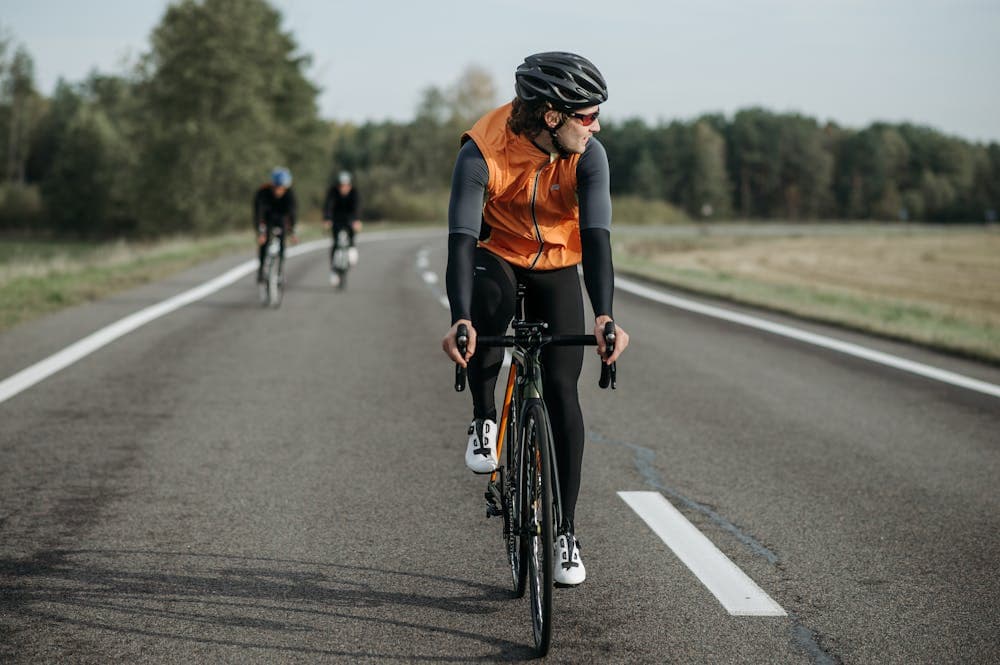
A high-quality, properly fitted helmet is the most important piece of safety gear you will own. Brightly colored or reflective clothing makes you more visible to drivers, even during the day. While most of your riding will be in daylight, having front and rear lights is a good idea for overcast days or tunnels.
Tools for Emergency Bike Repairs
You should be prepared to handle minor roadside repairs. A basic toolkit should include a multi-tool, tire levers, a spare inner tube, and a portable pump or CO2 inflator. On our guided tours, your guides and support van are equipped to handle any mechanical issues.
First Aid Kits and Emergency Contacts
Carry a small personal first-aid kit with essentials like antiseptic wipes, bandages, and pain relievers. It’s also crucial to have a list of emergency contacts and any personal medical information stored with your ID.
Tips for Safe Riding on Different Terrain
Your riding style may need to adapt as the terrain and environment change.
Handling Hills and Rolling Terrain
The route features plenty of rolling hills, especially in the English countryside. When climbing, find a comfortable, steady pace. On descents, control your speed, keep your eyes up, and be gentle with your brakes. Look through the turn to where you want to go.
Riding on Busy Roads and Urban Areas
In cities, be predictable. Ride in a straight line, use hand signals, and obey all traffic laws. Stay out of the “door zone” of parked cars and be extra cautious at intersections. Making eye contact with drivers helps ensure they’ve seen you.
Strategies for Rural and Coastal Paths
On quiet country roads, you can ride more relaxed, but stay alert for farm machinery or sharp bends. When riding in a group, use signals to communicate stops, turns, and hazards. On coastal paths, be mindful of crosswinds that can push you unexpectedly.
Local Cycling Laws and Regulations
Knowing the rules of the road is part of cycling safety in the UK and France.
Understanding Road Rules for Cyclists
In both the UK and France, cyclists are expected to follow the same traffic laws as cars. This means stopping at red lights and stop signs and yielding where required. Remember the fundamental rule: ride on the left in the UK and on the right in France.
Bike Lanes vs. Shared Roads
Where dedicated bike lanes are available, use them. On shared roads, position yourself where you are most visible—this is often in the center of the lane, not hugging the curb. This “taking the lane” technique prevents cars from trying to squeeze past you unsafely.
Road Signage and Route Markings
Familiarize yourself with basic road signs in both countries. While many are internationally recognized, some may differ. Route markings, especially for national cycle routes, can be very helpful for navigation.
Weather Considerations and Riding Safety
Weather can change quickly, and being prepared is key.
Preparing for Rain, Heat, and Wind
Even in summer, rain is a possibility. Pack a lightweight, waterproof jacket. On hot days, drink plenty of water and use sunscreen. For windy conditions, especially along the coast, lowering your body profile can help reduce resistance.
Best Times of Day to Cycle
Our tour itinerary is planned to take advantage of the best riding hours. Generally, mornings offer cooler temperatures and lighter traffic. We avoid cycling in the dark whenever possible.
Adjusting Your Riding Style in Different Conditions
In wet weather, your braking distance increases, so brake earlier and more gently. Reduce your speed on corners and avoid riding over painted lines or manhole covers, which become very slick when wet.
Emergency Procedures and Support
Knowing what to do in an emergency provides peace of mind.
Contacting Local Emergency Services
The emergency number for police, fire, or ambulance is 999 in the UK and 112 throughout Europe, including France. It’s a good idea to save these numbers in your phone.
Using GPS and Mobile Apps for Help
Your smartphone is a powerful safety tool. GPS can pinpoint your location for emergency services. Apps like WhatsApp allow you to share your live location with your group or tour guide.
Reporting Hazards and Staying Informed
On a guided tour, your guides are your primary resource. They know the route and can provide updates on any unexpected closures or hazards. They are also your first point of contact in any emergency situation.
Resources for Staying Updated on Road Conditions
Information is key to a safe ride.
Cycling Communities and Forums
Online forums and local cycling club websites can be good sources of information on local road conditions, though they are more practical for self-guided cyclists.
Local Tourism and Government Websites
Official tourism or transportation websites sometimes provide updates on road closures or major construction projects.
Apps and Technology Tools for Real-Time Updates
Apps like Google Maps, Komoot, or Strava can provide route information and sometimes show user-reported hazards. However, the most reliable source of real-time information on a guided tour will always be your tour leaders.
Conclusion: Ride Confidently from London to Paris
The journey from London to Paris is an adventure of a lifetime. By understanding the road conditions, preparing for potential hazards, and prioritizing safety, you can ensure your ride is as smooth and enjoyable as it is memorable. With the right preparation and mindset, you can pedal confidently, knowing you’re ready for whatever the road brings, and focus on the incredible experience of cycling between two of the world’s greatest cities.
View Our Guided Tours
Join our Tours now
Don’t hesitate to message us if you have any questions.
Related Blogs
- Budgeting Your London to Paris Bike Tour: Costs and Money-Saving Tips
- How to Cross the English Channel on a London to Paris Bike Tour
- Cycling Safety and Road Conditions from London to Paris