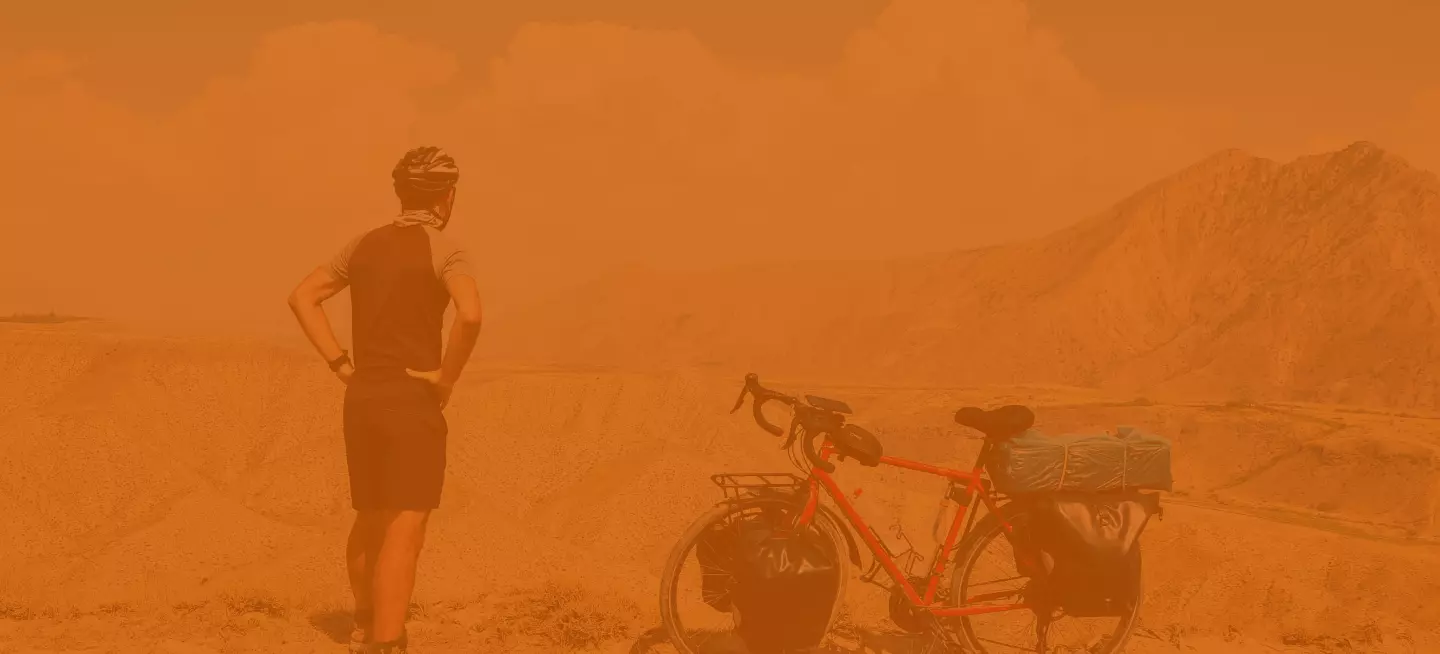
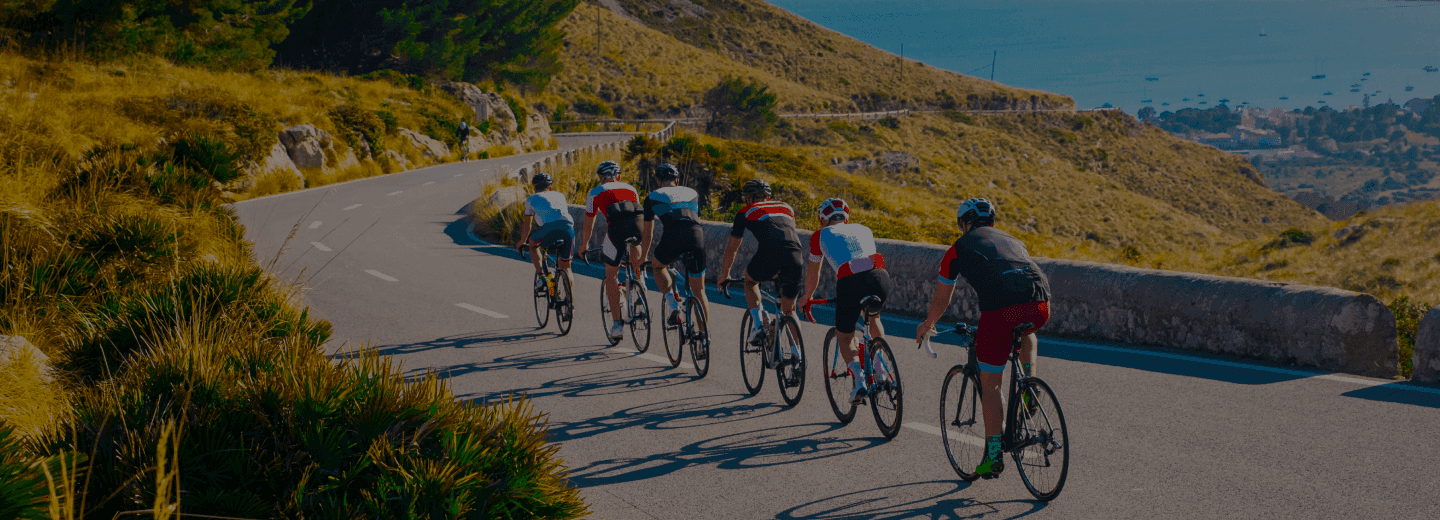
Cycling from London to Paris is one of the most iconic bike journeys in Europe. It’s a route that connects two of the world’s greatest capital cities, taking you through charming English countryside, across the Channel, and into the heart of historic Normandy. This multi-day bike tour across the UK and France is an adventure packed with beautiful landscapes, cultural landmarks, and a true sense of accomplishment.
This detailed London to Paris bike tour itinerary will guide you through a classic route, offering tips and insights for planning your own trip. We’ll break down the daily stages, highlight key sights, and provide essential advice to help you prepare for this unforgettable cycling trip plan from London to Paris.
Overview of the London to Paris Cycling Adventure
Embarking on this journey is more than just a bike ride; it’s an experience that blends physical challenge with cultural immersion. Before diving into the day-by-day plan, it’s helpful to understand the scope of the trip.
Total Distance, Duration, and Daily Stages
A typical London to Paris bike tour covers approximately 400-500 kilometers (250-310 miles), usually completed over 4 to 6 days of cycling. This allows for manageable daily distances of around 80-100 kilometers (50-60 miles), giving you enough time to enjoy the scenery and make stops along the way. Our itinerary is based on a 5-day cycling plan, plus travel days.
Highlights Along the Route
This journey is packed with incredible sights. You’ll pedal through the rolling hills of the Kent Downs in England, see the famous White Cliffs of Dover, and cross the English Channel. Once in France, you’ll cycle through the historic landscapes of Northern France, visit charming towns like Amiens and Rouen, and finish with a triumphant ride into Paris, ending at the Eiffel Tower.
Day 1: London to Canterbury
The first day takes you out of the bustling metropolis of London and into the serene English countryside, often called the “Garden of England.”
Key Sights and Stops
Your journey begins by navigating out of London, often following routes south towards Greenwich. Once clear of the city, you’ll enter the county of Kent. The route takes you through picturesque villages with traditional pubs and oast houses. The main destination for the day is Canterbury, a historic cathedral city and a UNESCO World Heritage Site. The magnificent Canterbury Cathedral is a must-see.
Recommended Lunch and Refreshment Breaks
There are plenty of charming villages along the way to stop for a classic pub lunch. Places like Eynsford or Rochester offer great options. Once you reach Canterbury, the city is filled with cafes and tea rooms perfect for a well-deserved scone and a cup of tea after your first day’s ride.
Day 2: Canterbury to Dover
Today’s ride is shorter but features some rolling hills as you make your way to the coast. The scenery is a rewarding mix of countryside and dramatic coastal views.
Scenic Routes and Coastal Views
From Canterbury, you’ll cycle southeast through the Kent Downs, an Area of Outstanding Natural Beauty. The route offers beautiful vistas over the rolling landscape. As you approach Dover, you’ll catch your first glimpse of the iconic White Cliffs. It’s a breathtaking sight and a perfect photo opportunity before you descend into the port town.
Tips for Crossing the Channel
The ferry from Dover to Calais is the most common way to cross the English Channel. Ferries run frequently, and the journey takes about 90 minutes. It’s essential to book your ferry ticket in advance, especially during peak season, and make sure you select an option that accommodates cyclists. Arrive at the port with plenty of time to check in.
Day 3: Calais to Amiens
Welcome to France! Your first full day of cycling on French soil takes you south through the historic region of Hauts-de-France, an area known for its World War I history and quiet rural landscapes.
Road Conditions and Terrain
The roads in this part of France are generally well-maintained and much quieter than what you experienced leaving London. The terrain is mostly flat to gently rolling, making for a pleasant day of cycling. You’ll pedal through open farmland, small forests, and sleepy villages.
Local Cafés and Eateries
French village life revolves around the local boulangerie (bakery) and café. These are perfect spots for a morning croissant and coffee or a simple and delicious lunch. Towns like Montreuil-sur-Mer or Abbeville are great places to stop. Your destination, Amiens, is famous for its stunning Gothic cathedral and picturesque canals.
Day 4: Amiens to Rouen
Today’s stage continues south through the French countryside, leading you into the heart of Normandy. The journey takes you towards the historic city of Rouen, the capital of the region.
Historical Landmarks to Explore
The route from Amiens to Rouen is dotted with small villages and churches. As you approach Rouen, you’ll be entering a city steeped in history. Rouen is where Joan of Arc was tried and executed. The city center is a beautiful maze of medieval half-timbered houses. Key sights include the Rouen Cathedral, famously painted by Monet, and the Gros Horloge, an astronomical clock from the 14th century.
Accommodation Suggestions
Rouen offers a wide range of accommodation, from charming guesthouses in the old town to modern hotels. On a guided tour, this is all arranged for you. If traveling self-guided, booking a hotel in the historic center allows you to easily explore the city on foot in the evening.
Day 5: Rouen to Paris
The final leg of your journey! This is often the longest day, but the excitement of reaching Paris will power you through. The route follows the Seine River valley for a good portion of the day.
Last Day Tips and Scenic Detours
The route along the Seine offers beautiful, mostly flat cycling. You can follow the official Avenue Verte London-Paris route, which uses a mix of dedicated bike paths and quiet roads. A scenic detour could include visiting the gardens of Giverny, where Monet lived and painted, though this will add extra distance.
Arrival in Paris: Celebratory Stops
As you enter the outskirts of Paris, you’ll navigate through suburbs before reaching the city center. The final stretch often takes you through parks like the Bois de Boulogne. The traditional finish line for the London to Paris ride is the Eiffel Tower. Arriving at this iconic landmark is an incredible moment and the perfect place for a celebratory photo to mark the end of your epic journey.
Alternative Routes for Flexible Itineraries
While the classic route is popular, there are other options for your cycling trip plan from London to Paris.
Shorter Daily Distances
If you prefer a more leisurely pace, you can easily extend the trip to 6 or 7 days of cycling. This would reduce your daily distances to around 65-80 kilometers (40-50 miles), giving you more time for sightseeing and relaxation.
Scenic vs. Fastest Routes
The Avenue Verte is a well-marked, scenic route designed for cyclists. However, other road options might be more direct. Using a GPS device with a pre-planned route is highly recommended to navigate the mix of rural roads and bike paths. A guided tour takes all the navigational stress away, allowing you to simply enjoy the ride.
Essential Planning Tips for Your Multi-Day Tour
Proper preparation is key to a successful and enjoyable trip.
Gear and Packing Recommendations
Pack light, but smart. Essential gear includes padded cycling shorts, jerseys, a waterproof jacket, and layers for changing weather. Don’t forget a helmet, cycling gloves, and sunglasses. For your bike, a repair kit with spare inner tubes, a pump, and a multi-tool is crucial.
Managing Fatigue and Recovery
Multi-day cycling is demanding. Listen to your body and don’t push too hard. Stay hydrated and eat regularly to keep your energy levels up. Getting a good night’s sleep is vital for recovery, so you’re ready for the next day’s ride.
Guided vs. Self-Guided London to Paris Tours
One of the biggest decisions is whether to join a guided tour or plan a self-guided trip.
Benefits of Guided Support
A guided tour offers immense peace of mind. A support vehicle carries your luggage, provides on-road assistance, and has snacks and water available. Your guides navigate the route, handle any mechanical issues, and share local knowledge. All your accommodation is pre-booked, making the entire experience hassle-free.
Self-Guided Freedom and Flexibility
A self-guided tour gives you the freedom to travel at your own pace and on your own schedule. It can be a more budget-friendly option, but it requires significant planning. You’ll be responsible for booking all your accommodation, navigating the route, carrying your gear, and handling any bike repairs.
Accommodation Options Along the Route
Finding the right place to stay is important for a good night’s rest.
Bike-Friendly Hotels
Many hotels along popular cycling routes are “bike-friendly.” They offer secure bike storage, which is a huge plus. On a guided tour, we select hotels that are comfortable, well-located, and welcoming to cyclists.
Guesthouses and B&Bs
In smaller towns and villages, you’ll find charming guesthouses and B&Bs. These offer a more local experience and are often run by hosts who can provide great tips about the area.
Safety Tips and Road Conditions
Staying safe on the road is the top priority.
Traffic and Road Hazards
Be prepared to ride on the left side of the road in the UK and switch to the right in France. The initial stretch out of London will have the most traffic. In rural areas, be aware of farm vehicles and narrow lanes. Potholes can be a hazard, so always keep your eyes on the road ahead.
Weather Considerations
The weather in this part of Europe can be unpredictable. Even in summer, you can have cool, rainy days. Always check the forecast before you set out and pack waterproof gear regardless of the season. Layering your clothing is the best way to adapt to changing temperatures throughout the day.
View Our Guided Tours
Join our Tours now
Don’t hesitate to message us if you have any questions.
Related Blogs
- Budgeting Your London to Paris Bike Tour: Costs and Money-Saving Tips
- How to Cross the English Channel on a London to Paris Bike Tour
- Cycling Safety and Road Conditions from London to Paris