Cycling from London to Paris is an adventure of a lifetime. You’ll pedal through the rolling English countryside, cross the Channel, explore the historic beaches of Normandy, and finish triumphantly under the Eiffel Tower. To make sure your journey is smooth and enjoyable, packing the right gear is essential.
This guide provides a comprehensive packing list for a bike tour from London to Paris. We’ll cover everything from clothing and safety equipment to electronics and snacks. With these tips, you’ll know exactly what to bring on your London to Paris bike trip, ensuring you’re prepared for every part of the ride.
Why Packing Right Matters for Your London to Paris Bike Tour
Proper packing is more than just a chore; it’s a critical part of planning a successful multi-day cycling tour. The right choices will enhance your comfort, safety, and performance, while the wrong ones can lead to frustration and discomfort.
Avoiding Overpacking for Long Rides
It’s tempting to pack for every possible scenario, but carrying too much weight is a common mistake. Every extra pound in your luggage is a pound you have to manage. On a guided tour where your main luggage is transported for you, this is less of a concern for the daily ride, but you still have to manage your bags at hotels and on travel days.
Importance of Lightweight, Functional Gear
The goal is to choose items that are lightweight, multi-functional, and high-performing. A jacket that is both waterproof and windproof serves two purposes. A jersey with pockets can hold your snacks and phone, reducing the need for an extra bag. Smart choices mean less weight and more convenience.
How Packing Impacts Daily Cycling Performance
What you carry in your daypack or saddlebag directly affects your ride. A heavy, unbalanced load can make your bike harder to handle, especially on hills. Packing light for the day allows you to be more agile, comfortable, and less fatigued, letting you focus on the beautiful scenery.
Planning for Weather and Unexpected Conditions
The weather between the UK and France can be unpredictable. A sunny morning in England can turn into a breezy, showery afternoon in Normandy. A good packing list accounts for this variability, ensuring you have the right layers and protection to stay comfortable no matter what the weather brings.
Essential Clothing for a Multi-Day London to Paris Ride
Choosing the right clothing is all about versatility and performance. Focus on cycling-specific apparel that wicks moisture, dries quickly, and provides comfort in the saddle.
Layering for Variable Weather
Layering is the most effective strategy for managing changing temperatures.
- Base Layer: A moisture-wicking short-sleeve or sleeveless base layer is your foundation.
- Cycling Jersey: Pack 2-3 short-sleeve jerseys. Pockets on the back are essential for snacks and small items.
- Cycling Shorts: Padded cycling shorts (bibs or regular shorts) are non-negotiable for comfort on long rides. Bring at least two pairs.
Rain Gear and Wind Protection
Don’t leave home without protection from the elements.
- Waterproof Jacket: A lightweight, packable, and breathable rain jacket is crucial. It can also double as a windbreaker.
- Gilet (Wind Vest): A vest is perfect for cool mornings or long descents, protecting your core without causing you to overheat.
Cycling Shoes, Gloves, and Accessories
These items make a huge difference in your comfort.
- Cycling Shoes: If you use clipless pedals, bring the shoes you’ve already broken in. If you use flat pedals, firm-soled athletic shoes will work well.
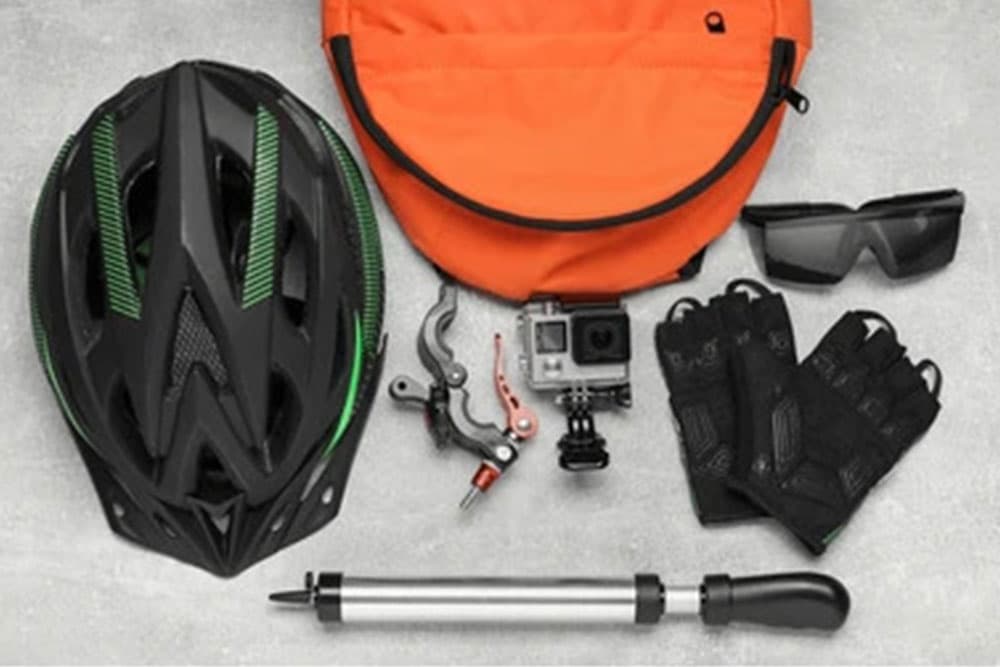
- Padded Gloves: Cycling gloves reduce pressure on your hands and protect them in case of a fall.
Choosing Breathable and Quick-Dry Fabrics
Stick to synthetic materials like polyester and merino wool for your cycling kit. These fabrics pull sweat away from your skin and dry quickly, preventing chills and chafing. Avoid cotton, as it holds moisture and takes a long time to dry.
Socks, Arm Warmers, and Leg Warmers
These small items offer incredible versatility.
- Socks: Pack several pairs of moisture-wicking cycling socks.
- Arm and Leg Warmers: These are perfect for cool mornings. You can easily remove them as the day warms up and stow them in a jersey pocket.
Bikes, Helmets, and Safety Equipment
Safety should always be your top priority. While our guided tours provide on-road support, having the right personal safety gear is essential.
Choosing the Right Helmet
A properly fitting helmet is the most important piece of safety gear you will own. Make sure it’s snug, sits level on your head, and the straps are securely fastened. Modern helmets offer excellent ventilation and lightweight protection.
Lights, Reflective Gear, and Visibility
Being seen by others is key to staying safe.
- Lights: A set of front and rear bike lights is essential, even for daytime riding. Flashing lights increase your visibility significantly.
- Reflective Details: Choose clothing and gear with built-in reflective elements for low-light conditions.
Bike Maintenance Tools and Spares
On a guided tour, your guides will handle most mechanical issues. However, it’s wise to know some basics. If you bring your own bike, pack a spare inner tube, tire levers, and a small pump.
Locking and Securing Your Bike Overnight
While we stay at secure hotels, a good quality, lightweight bike lock provides extra peace of mind for coffee stops or when your bike is parked.
High-Visibility Jackets and Vests
Consider packing a high-visibility jacket or vest, especially for overcast days. Bright colors like neon yellow, green, or orange make you stand out to drivers from a distance.
Cycling Accessories and Navigation Tools
These accessories enhance your ride, providing convenience and data.
GPS Devices and Maps
Our guided tours provide route details and your guide leads the way. However, having your own navigation can be useful for exploring during free time. A dedicated cycling GPS device like a Garmin or Wahoo is excellent for tracking your ride and navigation.
Saddle Bags, Water Bottles, and Hydration Packs
- Saddle Bag: A small bag that fits under your seat is perfect for carrying a spare tube, multi-tool, and tire levers.
- Water Bottles: You’ll need at least two water bottle cages and bottles. Staying hydrated is critical.
Bike Computers and Odometers
A simple bike computer can track your speed, distance, and time, which can be motivating and fun. Many GPS devices have these features built-in.
Multi-Tools and Quick Repair Kits
A compact multi-tool with various Allen keys and screwdrivers is invaluable for minor adjustments, like tightening a bolt or adjusting your seat height.
Smartphone Mounts and Navigation Apps
A secure mount allows you to use your smartphone for navigation. Apps like Google Maps, Komoot, or Strava are great for cycling routes and tracking your progress.
Toiletries, Personal Items, and Health Essentials
Packing for your personal needs is just as important as packing your cycling gear.
First Aid Kit and Medications
While your tour guide will have a comprehensive first-aid kit, it’s a good idea to carry a small personal kit with essentials like:
- Band-aids and blister treatment
- Antiseptic wipes
- Pain relievers (e.g., ibuprofen)
- Any personal medications you require
Sunscreen, Lip Balm, and Insect Repellent
You’ll be exposed to the sun for many hours, even on cloudy days. Pack a high-SPF, sweat-resistant sunscreen and apply it regularly. Lip balm with SPF is also important. Insect repellent can be useful for evenings, especially in rural areas.
Toiletries for Hotels and Overnight Stays
Pack travel-sized versions of your essential toiletries: toothbrush, toothpaste, deodorant, shampoo, and soap. Most hotels will provide basics, but it’s good to have your own.
Personal Hygiene While On the Road
A small pack of wet wipes can be very useful for a quick clean-up during the day. Hand sanitizer is also a good item to have in your daypack.
Travel Towels and Quick-Dry Accessories
A small, quick-dry travel towel can be handy, although all hotels will provide towels. It’s useful for unexpected situations or if you decide to take a dip at a beach in Normandy.
Electronics and Communication Gear
Stay connected and capture the memories of your incredible journey.
Mobile Phones and Chargers
Your smartphone is your connection to home, your camera, and a navigation tool. Don’t forget your charger and consider bringing a portable power bank. Remember to get a travel adapter for UK and French outlets.
Cameras and Power Banks
If you’re a keen photographer, you might want to bring a dedicated camera. A power bank is essential for keeping your phone and camera charged throughout the day, especially if you’re using them for navigation.
Headphones or Earbuds
Headphones can be great for listening to music or podcasts during downtime. For safety, avoid wearing them while cycling, as you need to be able to hear traffic and your surroundings.
Waterproof Cases for Electronics
A waterproof case or even a simple plastic bag can protect your phone and other electronics from an unexpected downpour.
Food, Snacks, and On-the-Go Energy
Fueling your body properly is key to enjoying a multi-day ride.
Energy Bars, Gels, and Nuts
Pack some of your favorite energy bars, gels, or chews. While our support van is stocked with snacks, having your preferred fuel on hand is always a good idea. Nuts and dried fruit are also great, healthy options.
Local Snacks and Hydration Tips
Part of the fun is trying local snacks! Stop at a French boulangerie for a pastry or an English tea room for a scone. Always start your ride with full water bottles and refill them at every opportunity.
Electrolyte Drinks and Hydration Solutions
On warm days, you’ll sweat a lot. Adding electrolyte tablets or powder to your water helps replace the essential salts and minerals you lose through sweat, preventing cramps and fatigue.
Storing Snacks Safely on the Bike
Use your jersey pockets for easy access to snacks you’ll want during the ride. A small handlebar bag or frame bag can also be a convenient place to store food.
Luggage Tips for a Smooth London to Paris Bike Tour
On our guided tours, your main luggage is transported for you. This means you only need to carry daily essentials on your bike.
- Main Luggage: A duffel bag or soft-sided suitcase is often easier for our crew to pack in the van than a rigid one.
- Daypack: A small, lightweight backpack or a larger saddlebag is useful for carrying your rain jacket, extra layers, and personal items for the day.
Final Tips for Stress-Free Packing
A little preparation goes a long way.
- Test Your Pack: Do a trial pack a week before you leave to make sure everything fits.
- Create a Checklist: Use a checklist to ensure you don’t forget any last-minute items like your passport, wallet, or phone charger.
- Be Flexible: While it’s great to be prepared, remember that you can buy most forgotten items along the way. Stay flexible and focus on enjoying the journey.
FAQs About Packing for a London to Paris Cycling Tour
Can I Bring My Own Bike or Rent Locally?
You can do either. Bringing your own bike ensures a familiar fit, but renting from us saves you the hassle and cost of airline transport. Our rental fleet consists of high-quality, well-maintained bikes.
How Many Clothes Should I Pack?
For cycling, 2-3 sets of kit are usually enough. You can wash them in the hotel sink in the evenings. For off-bike time, pack a few casual, lightweight outfits.
What Safety Gear is Absolutely Required?
A helmet is mandatory. Front and rear lights are highly recommended for visibility in all conditions.
Tips for Packing Snacks and Food Efficiently
Use your jersey pockets for immediate-access snacks. Keep a larger stash in your daypack or saddlebag. Repackage bulky items into smaller plastic bags to save space.
View Our Guided Tours
Join our Tours now
Don’t hesitate to message us if you have any questions.
Related Blogs
- Budgeting Your London to Paris Bike Tour: Costs and Money-Saving Tips
- How to Cross the English Channel on a London to Paris Bike Tour
- Cycling Safety and Road Conditions from London to Paris