

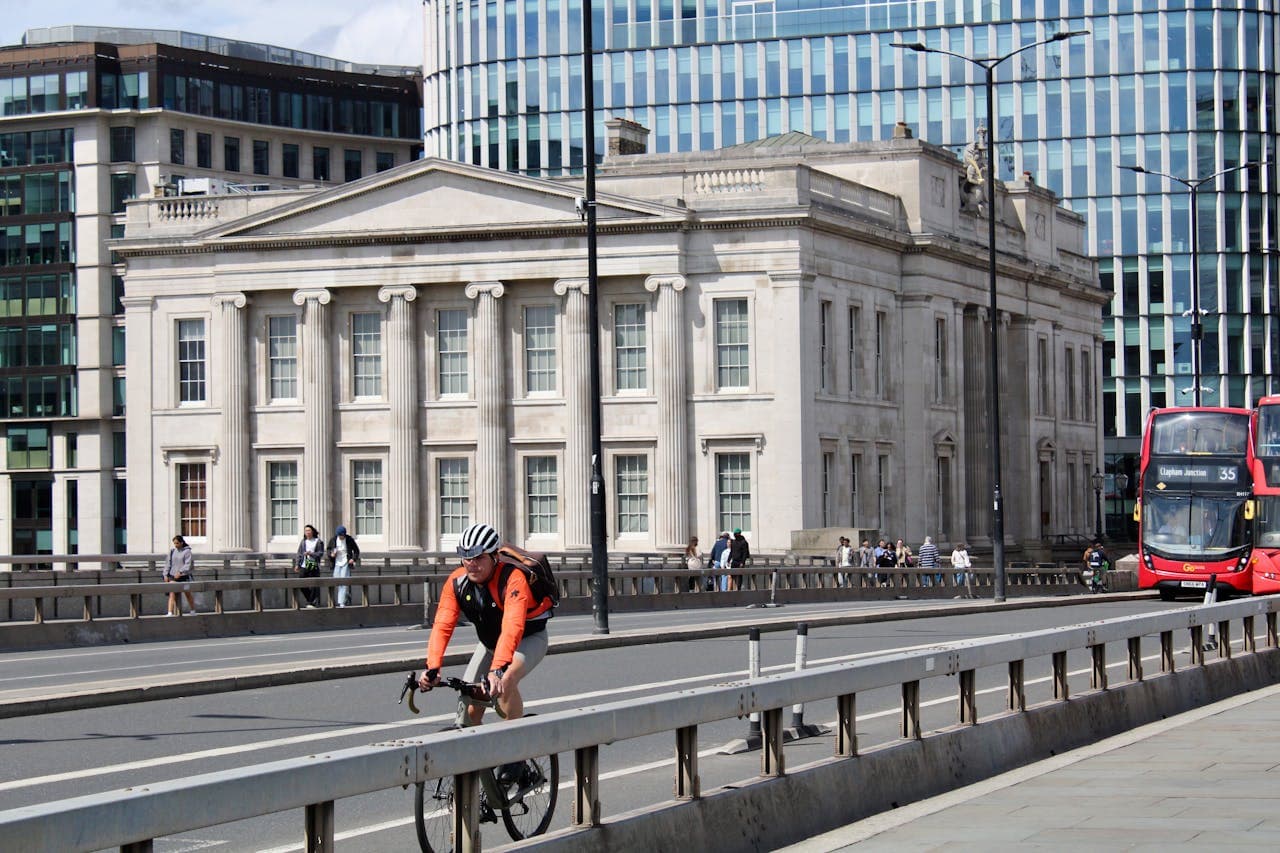
Cycling from London to Paris is one of the most iconic cycling journeys in Europe. It’s a rite of passage for many cyclists, connecting two of the world’s greatest capital cities. The journey takes you through picturesque English countryside, across the Channel, and into the charming landscapes of northern France, culminating in a triumphant ride into Paris. But there isn’t just one way to do it.
Choosing the right path is essential for a successful trip. The route you take will determine the scenery you see, the challenges you face, and the memories you make. This guide explores the top London to Paris cycling routes, from the classic trail to exciting alternatives, helping you plan your perfect cross-channel adventure.
Overview of the London to Paris Cycling Experience
The journey from London to Paris is more than just a bike ride; it’s an adventure through history, culture, and stunning landscapes. Covering approximately 250-300 miles (400-480 km), it’s a manageable challenge for moderately fit cyclists, typically completed over several days.
Why Planning Your Route Matters
Your route is the backbone of your trip. A well-planned route ensures you see the best sights, ride on safe and enjoyable roads, and finish each day at a comfortable and welcoming stop. It lets you balance challenging cycling with relaxing sightseeing. Without a good plan, you might find yourself on busy, unpleasant roads or missing out on hidden gems just a few miles off your path.
Factors to Consider: Distance, Terrain, and Scenery
When choosing from the many London to Paris cycling routes, consider these three key factors:
- Distance: How many miles do you want to ride each day? Some routes are more direct, while others meander through scenic areas, adding to the total mileage.
- Terrain: Are you looking for a flat, fast ride, or do you enjoy the challenge of rolling hills? The English South Downs and the French countryside both offer varied terrain.
- Scenery: Do you prefer coastal views, historic villages, or quiet country lanes? Different routes offer different visual experiences.
Classic London to Paris Cycling Route
The classic route is popular for a reason. It offers a fantastic mix of English countryside, historic towns, and a grand entry into France. Our guided tour follows a version of this path, designed to maximize scenery and historical significance.
Key Stops Along the Way
The journey typically starts in London and heads south through Surrey and Hampshire. Key stops on the English side often include Salisbury, with its magnificent cathedral. A major highlight is visiting the ancient and mysterious Stonehenge. The route then continues to the port city of Portsmouth for the ferry crossing.
Once in France, the route often begins in a charming port like St. Malo or Caen. From there, it winds through Normandy, visiting poignant historical sites like the D-Day landing beaches (Utah and Omaha). Other key stops include the breathtaking island abbey of Mont St. Michel and the historic city of Rouen before the final leg into Paris.
Scenic Highlights and Landmarks
This route is packed with incredible sights. You’ll pedal through the green, rolling hills of the English countryside, past quaint villages with thatched-roof cottages. In France, the coastal views of Brittany and Normandy are spectacular. You’ll also ride through the serene Seine River valley, with its apple orchards and historic abbeys, providing a beautiful and peaceful approach to the bustling capital.
Alternative Routes for Adventurous Cyclists
While the classic route is fantastic, there are other alternative bike routes in the UK and France that offer different experiences. These are great for cyclists who have done the main route before or are looking for a different kind of adventure.
Coastal Route via Dover and Northern France
For those who love the sea, a coastal route is a great option. This route takes you from London through Kent, known as the “Garden of England,” to the iconic White Cliffs of Dover. From Dover, you take a short ferry ride to Calais.
The French section of this route follows the northern coast through the Opal Coast region. You’ll ride through charming seaside towns like Boulogne-sur-Mer and Le Touquet. The route then turns inland, often passing through the Somme battlefields of World War I, adding a layer of poignant history before heading towards Paris. This route is generally flatter than the classic Normandy route.
Countryside Route through Kent and Picardy
Another great alternative focuses on the quiet countryside. This route also heads through Kent but takes the ferry from Newhaven to Dieppe. The Newhaven-Dieppe crossing is a popular choice for cyclists and leads to the Avenue Verte, a well-known greenway.
From Dieppe, you cycle through the heart of the Picardy region, known for its rolling farmland, quiet lanes, and beautiful forests. This route offers a more rural and tranquil experience, with fewer major tourist sites but an abundance of authentic French country charm.
Dedicated Bike Paths Between London and Paris
For cyclists who prefer to avoid traffic, there are several dedicated bike paths in London and Paris and along the way that make the journey safer and more pleasant.
EuroVelo Network Connections
The EuroVelo network is a system of long-distance cycling routes that cross Europe. While there isn’t a single EuroVelo route connecting London and Paris directly, you can connect several of them. For example, EuroVelo 4 follows the northern coast of France, which can be incorporated into the coastal route. These routes are generally well-signed and follow quieter roads or dedicated paths.
Local Bike Paths in the UK and France
The most famous of the local bike paths is the Avenue Verte (Green Avenue). This well-marked route runs from London to Paris, using a combination of traffic-free greenways and quiet roads. The French section from Dieppe to Paris is particularly well-developed, following an old railway line for much of the way, making it a flat and easy ride. In the UK, the route takes you through the lovely South Downs National Park.
Urban Cycling Sections: Cities to Watch
Starting and ending in two of the world’s busiest cities can be daunting. But with some planning, urban cycling can be a fun part of the adventure.
Cycling Through London: Tips and Routes
London has a growing network of “Cycle Superhighways” and “Quietways.” These are dedicated bike lanes or routes on less-trafficked streets that can help you navigate the city safely. It’s best to plan your exit from London using these routes. Starting your ride on a weekend morning can also help you avoid the worst of the traffic.
Navigating Paris Streets Safely
Paris has also made huge strides in becoming more bike-friendly. The city has an extensive network of bike lanes, especially along the Seine. As you approach the city center, you can often join these dedicated paths for a spectacular and safe final ride to landmarks like the Eiffel Tower. As in London, using a GPS with a cycling layer is invaluable for navigating the city’s streets.
Terrain and Difficulty: Choosing the Right Route
The terrain of your chosen route will significantly impact the difficulty of your ride.
Flat vs. Hilly Sections
The terrain from London to Paris is best described as rolling. You won’t find major mountain climbs, but there are plenty of hills to keep things interesting. The South Downs in England and the hills of Normandy in France provide some of the most challenging, but also the most rewarding, climbs. The Avenue Verte route, particularly the French section, is one of the flattest options.
Road Surface Considerations: Asphalt, Gravel, and Trails
Most of the routes are on paved asphalt roads. However, some sections, especially on the Vías Verdes or other greenways, may be on well-maintained gravel or crushed stone paths. These are suitable for road bikes with slightly wider tires (28mm or more) or hybrid bikes. It’s always good to check the surface conditions of your intended route.
Seasonal Considerations for Each Route
The time of year you choose to ride will affect the weather, scenery, and crowds.
Spring and Summer: Peak Season Highlights
Spring (April-June) and summer (July-August) are the most popular times to cycle from London to Paris. In spring, the countryside is lush and green, with wildflowers in bloom. Summer offers long, warm days, perfect for maximizing your time on the bike. This is peak season, so expect more cyclists and tourists along the way.
Autumn and Winter: Pros and Cons
Autumn (September-October) is another excellent time to ride. The weather is often still mild, the crowds have thinned, and the autumn colors provide a beautiful backdrop. Winter (November-February) is for the hardiest of cyclists. The weather is cold and often wet, and daylight hours are short. The advantage is that you’ll have the roads almost to yourself.
Combining Routes with Sightseeing Opportunities
The journey is as much about the places you visit as the cycling itself.
Historic Towns Worth Visiting
Both England and France are dotted with charming, historic towns. On the English side, don’t miss Salisbury or the quaint villages of the South Downs. In France, the walled city of St. Malo, the medieval streets of Rouen, and the artistic haven of Giverny (home of Monet) are all worth a visit.
Food, Wine, and Local Experiences Along the Way
Take time to enjoy the local cuisine. In England, stop for a traditional pub lunch or afternoon tea. In France, savor fresh croissants from a local boulangerie, sample cheeses from Normandy, and try the cider that the region is famous for. These culinary experiences are an essential part of the journey.
Safety Tips for Route Planning
Safety should always be a top priority when planning your route.
Avoiding Heavy Traffic Zones
Use route-planning tools that have a cycling layer to identify quieter roads. On a guided tour, we’ve already done this work for you, choosing the safest and most scenic roads. When approaching large towns or cities, look for dedicated bike paths to avoid busy main roads.
Using GPS and Signage Effectively
A GPS device or smartphone with a navigation app is an indispensable tool. You can download your route in advance and get turn-by-turn directions. While many routes are well-signed (like the Avenue Verte), having a digital backup is always a good idea.
Recommended Resources and Tools for London to Paris Cycling
A little research and the right tools can make planning your trip much easier.
Apps, Maps, and Guidebooks
Apps like Komoot and Ride with GPS are excellent for planning and navigating cycling routes. They provide detailed information on terrain, road surface, and elevation. There are also several excellent guidebooks dedicated to the London to Paris ride that offer detailed maps and route descriptions.
Community Forums and Cycling Groups
Online forums and Facebook groups for cycle touring are great resources. You can ask questions, get advice from cyclists who have completed the ride, and find up-to-date information on route conditions. Hearing about others’ experiences can provide valuable insights for your own planning.
View Our Guided Tours
Join our Tours now
Don’t hesitate to message us if you have any questions.
Related Blogs
- Budgeting Your London to Paris Bike Tour: Costs and Money-Saving Tips
- How to Cross the English Channel on a London to Paris Bike Tour
- Cycling Safety and Road Conditions from London to Paris