

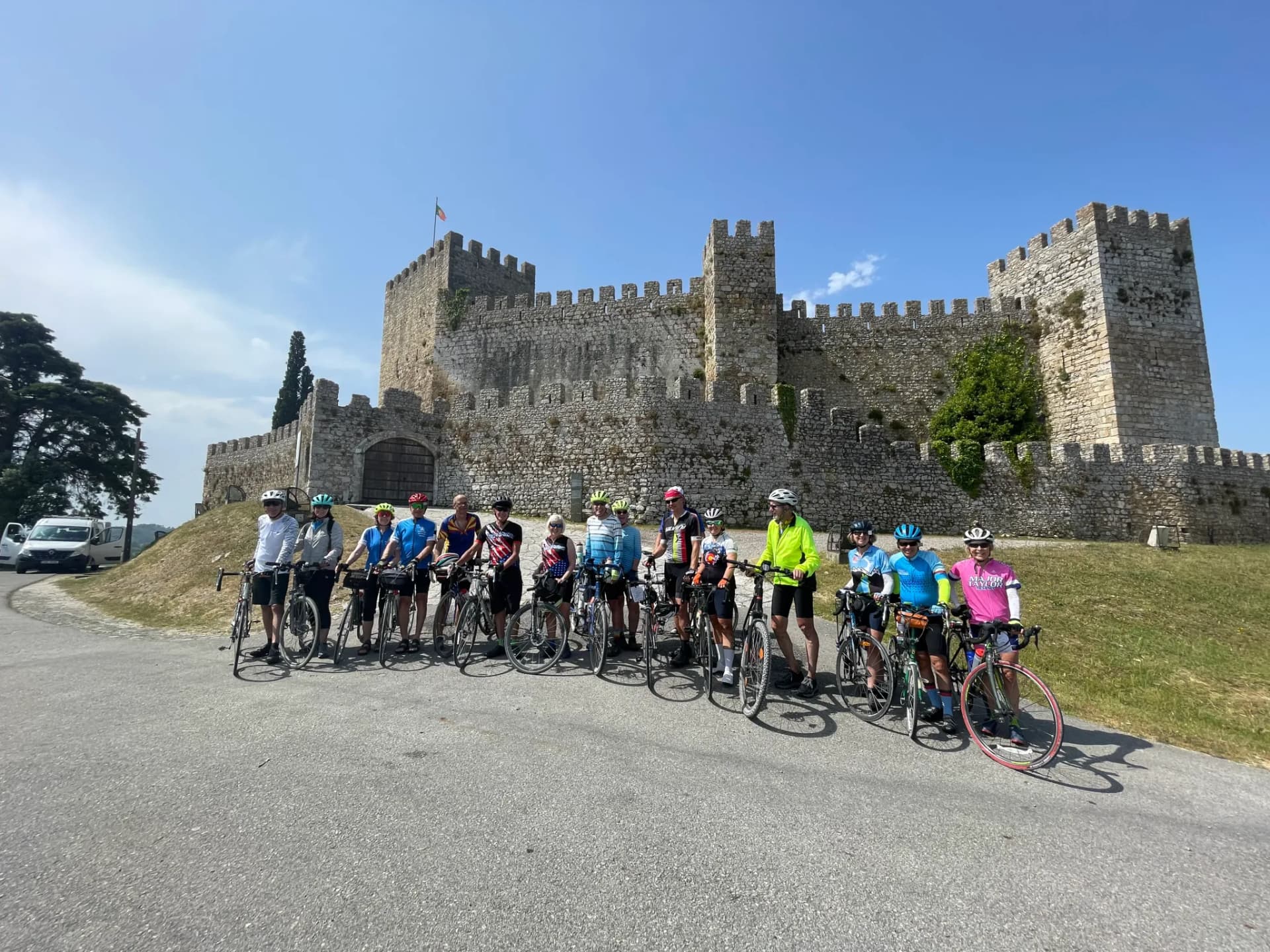
Cycling from Porto to Lisbon is more than just a bike ride; it’s a journey through the heart and soul of Portugal. This incredible route hugs the country’s stunning coastline, weaves through ancient towns, and showcases a rich tapestry of culture, history, and natural beauty. Each stop offers a unique window into what makes this corner of Europe so special.
This guide highlights the ten must-see attractions that transform the Porto to Lisbon cycling route from a great trip into an unforgettable adventure. We will explore everything from historic city centers to spiritual sanctuaries, ensuring you experience the very best of cycling in Portugal.
Why These Attractions Make the Porto to Lisbon Route Unforgettable
What sets this journey apart is its incredible diversity. One day you’re navigating the vibrant streets of a historic city, and the next you’re soaking up the sun on a golden beach. This blend of experiences creates a dynamic and enriching adventure for every cyclist.
Combining Culture, History, and Scenic Beauty
The Porto to Lisbon route is a curated path through centuries of Portuguese history. You’ll pedal through medieval walled towns, stand in awe of Gothic monasteries, and explore a university that is one of the oldest in the world. Along the way, the dramatic Atlantic coastline, serene canals, and rolling hills provide a breathtaking natural backdrop. This constant interplay between man-made wonders and natural landscapes makes every mile of the journey captivating.
How These Stops Enhance Your Cycling Experience
These attractions serve as perfect milestones, breaking up your daily rides with moments of discovery and relaxation. They provide a deeper connection to the places you visit, turning your tour into an immersive cultural experience. Exploring a historic site or enjoying a local delicacy gives you a chance to stretch your legs, recharge, and create memories that extend far beyond the bike path. It’s this combination of active travel and cultural exploration that defines our bike tours in Europe.
1. Porto – The Historic Starting Point
Your adventure begins in Porto, Portugal’s second-largest city and a UNESCO World Heritage site. Its vibrant energy, stunning architecture, and world-famous wine make it the perfect launchpad for your cycling journey.
Ribeira District and Porto’s Iconic Architecture
The Ribeira District, with its colorful, tightly packed houses lining the Douro River, is the heart of old Porto. Spend time wandering its narrow, cobbled streets and soaking in the lively atmosphere. Don’t miss the Dom Luís I Bridge, an iconic double-deck iron bridge offering spectacular views of the city. Exploring this district is like stepping back in time, setting the stage for the historical discoveries to come.
Famous Port Wine Cellars to Visit
A trip to Porto would be incomplete without tasting its most famous export. Cross the river to Vila Nova de Gaia, where historic Port wine cellars offer guided tours and tastings. Learning about the intricate process of making Port wine and sampling different varieties is a quintessential Porto experience that delights the senses.
2. Aveiro – Portugal’s Venice
Known as the “Venice of Portugal,” Aveiro is a charming city defined by its network of canals and vibrant boats. It’s a delightful and picturesque stop early in your journey.
Colorful Moliceiro Boats and Canals
The canals of Aveiro are navigated by beautifully painted boats called moliceiros. Traditionally used for harvesting seaweed, these boats are now a popular way for visitors to see the city. A boat tour provides a relaxing break from cycling and offers a unique perspective on Aveiro’s charming waterways and architecture.
Art Nouveau Architecture and Local Markets
Aveiro is renowned for its stunning Art Nouveau buildings, which you can admire throughout the city center. After taking in the architecture, visit the local fish market for a lively glimpse into daily life. Be sure to try the local delicacy, ovos moles, a sweet treat made from egg yolks and sugar.
3. Figueira da Foz – Atlantic Coastline Beauty
As you continue south, you’ll reach Figueira da Foz, a bustling coastal city known for its expansive sandy beach and lively atmosphere. It’s a perfect place to enjoy the beauty of the Atlantic.
Praia da Claridade Beach
Praia da Claridade is one of the widest beaches in Europe, offering plenty of space to relax, swim, or simply stroll along the shore. The vast expanse of golden sand and the refreshing sea breeze provide a wonderful contrast to the historic cities on your route. It’s an ideal spot to unwind and reflect on your journey so far.
Vibrant Town Atmosphere
Beyond the beach, Figueira da Foz has a vibrant town center with a casino, numerous restaurants, and bustling cafes. The town comes alive in the evening, offering a fun and energetic atmosphere for cyclists looking to enjoy a night out.
4. Coimbra – City of Knowledge and History
Perched on a hill overlooking the Mondego River, Coimbra is home to one of the world’s oldest universities and a rich history that echoes through its medieval streets.
University of Coimbra and Joanina Library
The University of Coimbra, a UNESCO World Heritage site, is the city’s crown jewel. Explore its historic courtyards, grand halls, and the breathtaking Joanina Library. This baroque library houses over 60,000 ancient books and is a stunning testament to Portugal’s intellectual heritage.
Medieval Streets and Monasteries
Below the university, the old town of Coimbra is a maze of narrow, winding streets filled with shops, cafes, and historic buildings. Be sure to visit the Monastery of Santa Cruz, where the first two kings of Portugal are buried. The blend of academic energy and ancient history makes Coimbra a truly fascinating stop.
5. Tomar – Knights Templar Heritage
Tomar is a city steeped in the mystique of the Knights Templar. Its magnificent castle and convent complex is a highlight for any history enthusiast on the Porto to Lisbon cycling route.
Convent of Christ UNESCO World Heritage Site
The Convent of Christ, another UNESCO World Heritage site, was once the headquarters of the Knights Templar in Portugal. This sprawling complex is a marvel of Manueline, Gothic, and Renaissance architecture. Exploring its cloisters, chapels, and fortifications is a journey into a legendary past.
Charming Old Town and Nabão River
Tomar’s charming old town is situated along the banks of the Nabão River. The peaceful riverside parks are perfect for a relaxing walk. The town square, Praça da República, with its 17th-century town hall and church, is the picturesque heart of this historic city.
6. Fátima – Spiritual Pilgrimage Site
Fátima is one of the most important Catholic pilgrimage sites in the world. Whether you are religious or not, the site’s profound sense of peace and devotion is a moving experience.
Sanctuary of Our Lady of Fátima
The Sanctuary of Fátima is a vast complex that includes the Basilica of Our Lady of the Rosary and the modern Basilica of the Holy Trinity. It commemorates the site where three shepherd children reported apparitions of the Virgin Mary in 1917. The sheer scale of the sanctuary and the devotion of the pilgrims are awe-inspiring.
Pilgrimage Experience and Local Culture
Witnessing pilgrims, some of whom travel great distances on foot, adds a powerful human element to your visit. The town itself is geared towards visitors, with many shops selling religious articles. It offers a unique cultural insight into the role of faith in modern Portugal.
7. Batalha – Gothic Architectural Marvel
The town of Batalha is dominated by its magnificent monastery, a masterpiece of Gothic and Manueline architecture that stands as a symbol of Portuguese national pride.
Batalha Monastery Highlights
The Monastery of Batalha, a UNESCO World Heritage site, was built to commemorate a decisive victory for Portugal in 1385. Its highlights include the intricate Founder’s Chapel, the stunning Royal Cloister, and the Unfinished Chapels, which are open to the sky and feature incredibly detailed stonework.
History and Significance
The monastery’s construction spanned over a century, and its architecture tells the story of a nation asserting its independence. It is a powerful symbol of Portuguese identity and a must-see for anyone interested in history or architecture.
8. Nazaré – Giant Waves and Traditional Fishing Culture
Nazaré is a captivating coastal town that beautifully blends traditional fishing culture with a world-famous big-wave surfing scene.
Stunning Beaches and Surfing Spots
Nazaré is famous for having some of the largest surfable waves in the world, attracting daredevil surfers every winter. The Praia do Norte is where these giants appear, but the main town beach, Praia da Nazaré, is a beautiful and sheltered spot for swimming and sunbathing.
Local Traditions and Views from Sitio
Take the funicular up to Sítio, a clifftop neighborhood offering breathtaking panoramic views of the coast. Here, you can see local women in their traditional seven-layered skirts selling dried fish, a practice that has been passed down for generations. This blend of old and new makes Nazaré a fascinating cultural stop.
9. Óbidos – Medieval Town with Enchanting Walls
Stepping into Óbidos is like stepping into a fairy tale. This beautifully preserved medieval town is completely enclosed by fortified walls, offering a magical experience for every visitor.
Walk the Ancient Town Walls
One of the best things to do in Óbidos is to walk along the top of the ancient town walls. The circuit offers stunning views of the whitewashed houses with their colorful flower boxes, the rolling countryside, and the castle. It’s a memorable way to experience the town’s unique charm.
Local Festivals and Castle Visit
Óbidos is famous for its lively festivals, including a medieval market in the summer and a chocolate festival in the spring. Don’t forget to try ginjinha, a local sour cherry liqueur often served in a chocolate cup. The well-preserved castle at the top of the town adds to the enchanting atmosphere.
10. Lisbon – The Vibrant Capital
Your epic cycling journey concludes in Lisbon, Portugal’s vibrant and charismatic capital. A city of hills, history, and culinary delights, it’s the perfect place to celebrate the end of your tour.
Alfama District and Historic Neighborhoods
Get lost in the Alfama district, Lisbon’s oldest neighborhood, with its maze of steep, narrow streets, historic houses, and Fado restaurants. Explore other iconic areas like Baixa, with its grand squares, and Belém, home to famous landmarks like the Belém Tower and Jerónimos Monastery.
Miradouros (Viewpoints) and Culinary Delights
Lisbon is known as the “City of Seven Hills,” and its many miradouros (viewpoints) offer stunning panoramic views. End your day by indulging in the city’s incredible food scene. From fresh seafood to the legendary pastéis de nata (custard tarts), Lisbon is a paradise for food lovers.
Tips for Exploring Attractions on the Porto to Lisbon Cycling Tour
To make the most of your adventure, a little planning goes a long way. Here are some tips for exploring these incredible attractions.
Time Management and Rest Days
While it’s tempting to see everything, be realistic about your time. Prioritize the attractions that interest you most. Our tours are designed with well-paced itineraries, but consider adding a rest day in a city like Coimbra or Lisbon to explore more deeply without feeling rushed.
Must-Have Gear for Sightseeing
When you’re off the bike, you’ll want to be comfortable. Pack a pair of good walking shoes, a lightweight daypack for essentials like water and snacks, and a camera to capture the memories. A versatile jacket is also a good idea, as weather can change.
How to Capture the Best Photos Along the Route
The best light for photography is usually during the “golden hours”—just after sunrise and before sunset. Look for unique angles and perspectives. Don’t just take pictures of landmarks; capture the details, the people, and the moments that tell the story of your journey.
Planning Your Visit: When to See These Attractions
Timing can have a big impact on your experience. Consider the seasons and local events when planning your trip.
Seasonal Events and Festivals at Key Stops
Portugal has a vibrant festival calendar. Check for events like Porto’s São João festival in June, Coimbra’s Queima das Fitas (a student festival) in May, or Óbidos’s various seasonal markets. Participating in a local festival can be a highlight of your trip.
Weather Considerations for Sightseeing
Spring (April-June) and autumn (September-October) offer the most pleasant weather for both cycling and sightseeing, with mild temperatures and fewer crowds. Summer can be hot, especially inland, so be prepared with sun protection and hydration.
How to Make the Most of Your Porto to Lisbon Bike Tour
This journey is about more than just the destinations; it’s about the experience.
Combining Cycling with Cultural Exploration
Embrace the opportunity to immerse yourself in Portuguese culture. Try local foods, listen to Fado music, and chat with locals. Our guides are experts in the region and can offer insights that you won’t find in a guidebook.
Optional Guided Tours and Local Experiences
At many stops, you can enhance your visit with optional guided tours, such as a historical walking tour in Coimbra or a food tour in Lisbon. These experiences provide deeper context and a richer understanding of the places you visit.
The Porto to Lisbon cycling route is a journey packed with incredible sights and experiences. From the historic cellars of Porto to the vibrant streets of Lisbon, these ten attractions represent the very best of what Portugal has to offer.
Ready to explore these amazing stops on two wheels? Book your Porto to Lisbon Cycling Tour today!
View Our Guided Tours
Join our Tours now
Don’t hesitate to message us if you have any questions.
Related Blogs
- Budgeting Your London to Paris Bike Tour: Costs and Money-Saving Tips
- How to Cross the English Channel on a London to Paris Bike Tour
- Cycling Safety and Road Conditions from London to Paris